For decades, the fastest a vaccine had ever been developed and licensed was four years. That record belonged to the mumps vaccine, approved in 1967. Scientists worked tirelessly, but the process of research, testing, and approval always took years to ensure safety and effectiveness.
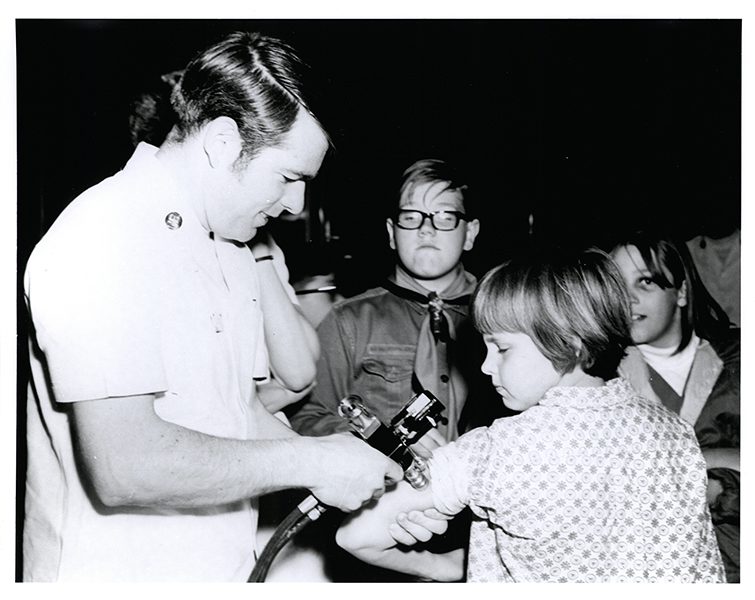
Then, in early December 2020, history was rewritten. The Pfizer-BioNTech COVID-19 vaccine received approval in the United Kingdom, taking just under 11 months from initial development to licensing. This shattered the long-standing record and marked an unprecedented achievement in medical science.
The rapid development of COVID-19 vaccines was made possible by decades of prior research, global collaboration, and innovative mRNA technology. Clinical trials were conducted simultaneously instead of sequentially, regulatory agencies prioritized reviews, and manufacturing began even before approval, all while maintaining strict safety standards.
This milestone demonstrates not only the remarkable capabilities of modern science but also the potential for humanity to respond quickly to global health crises. What once took years can now be achieved in months—though careful testing and monitoring remain critical to ensure vaccines are safe and effective.
From the mumps vaccine in 1967 to COVID-19 in 2020, the history of vaccines is a story of human innovation, dedication, and hope.
- กทม. วิกฤต! ประกาศเตือนภัยซ้ำซ้อน “ร้อนระอุ-ฝุ่นคลุ้ง” ทั่วเมือง: วิธีดูแลตัวเองให้ปลอดภัย
- วิกฤตการณ์ทางทะเล: สัญญาณเตือนภัยสำหรับประเทศไทย
- The three monkeys began to like the monkey doll. The three of them slept, hugged, and kissed
- This Is No Anna’s Fault! Why Monkey Amina Scared?
- When he was very tired, the older monkey would drop his younger brother to get some relief. 💥🐒📌👇