In July 1945, the USS Indianapolis sank in the Pacific Ocean, and what followed would become one of the most harrowing stories in U.S. naval history.
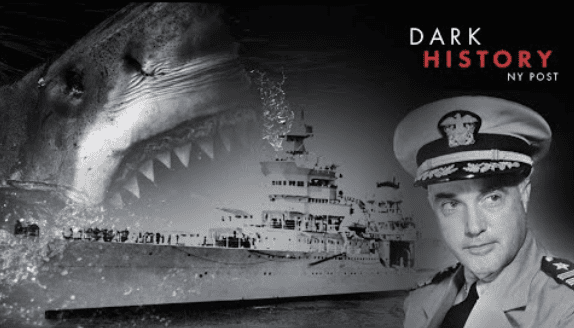
The Indianapolis, a heavy cruiser of the U.S. Navy, had just completed a secret mission: delivering parts for the first atomic bomb to the island of Tinian. On July 30, 1945, the ship was sailing near the Philippine Sea when it was struck by two torpedoes from the Japanese submarine I-58. The impact was catastrophic. The cruiser sank in just 12 minutes.
Of the 1,195 crew members aboard, nearly 900 went into the water. The survivors were left stranded in open ocean, with little food, no lifeboats, and minimal supplies. The tropical waters were scorching during the day and freezing at night. Exposure, dehydration, and panic quickly took a toll.
As if the sinking itself wasn’t enough, the sailors faced another terrifying danger: sharks. Over the course of four days, sharks attacked relentlessly. Many men were bitten while attempting to stay afloat. Some succumbed to the ocean after prolonged injuries, while others died of exhaustion or exposure.
Rescue didn’t arrive quickly. Due to miscommunication and the secrecy of their mission, the Indianapolis was not reported missing immediately. It was only when a PV-1 Ventura patrol plane spotted survivors on August 2, 1945—four days after the sinking—that a rescue operation could begin. By then, only 317 of the original crew were still alive.
The tragedy of the USS Indianapolis is remembered not just for the sinking, but for the extreme suffering endured by its sailors in the open sea. The shark attacks alone are considered the largest in U.S. history, a terrifying testament to the dangers faced by sailors during World War II.
The story of the Indianapolis also underscores the importance of communication, coordination, and the human cost of war. Survivors carried the memories of that disaster for decades, sharing accounts of heroism, fear, and the struggle to survive against impossible odds.
Today, the USS Indianapolis is remembered as both a critical part of history and a somber reminder of the sacrifices made by those at sea.
- กทม. วิกฤต! ประกาศเตือนภัยซ้ำซ้อน “ร้อนระอุ-ฝุ่นคลุ้ง” ทั่วเมือง: วิธีดูแลตัวเองให้ปลอดภัย
- วิกฤตการณ์ทางทะเล: สัญญาณเตือนภัยสำหรับประเทศไทย
- The three monkeys began to like the monkey doll. The three of them slept, hugged, and kissed
- This Is No Anna’s Fault! Why Monkey Amina Scared?
- When he was very tired, the older monkey would drop his younger brother to get some relief. 💥🐒📌👇