In 1812, Napoleon Bonaparte embarked on one of the most ambitious military campaigns in history: the invasion of Russia. Alongside his army, he brought an astonishing 187,600 horses, vital for cavalry, transport, and artillery. Horses were the lifeblood of his army, carrying soldiers, supplies, and artillery across vast distances.
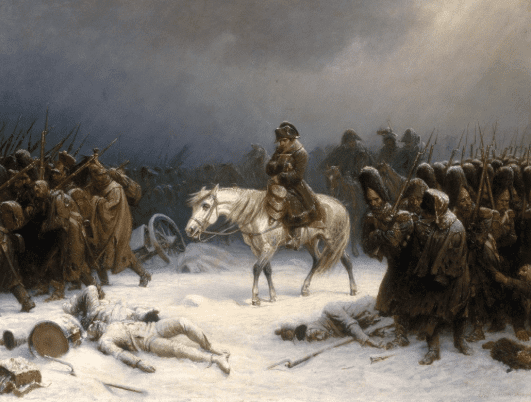
But the campaign quickly turned disastrous. Harsh weather, poor logistics, and fierce Russian resistance decimated the Grande Armée. Starvation, disease, and exhaustion claimed both men and animals at an unprecedented rate. The Russian winter, freezing and relentless, compounded the suffering.
By the time Napoleon’s army retreated, only 1,600 of the original horses survived. The destruction of these animals reflects the scale of the catastrophe: not just for Napoleon’s army, but for the countless horses that had become an essential part of military strategy during this era.
The 1812 campaign stands as a stark reminder of the human and animal cost of war. While Napoleon himself survived, the campaign marked the beginning of the decline of his military dominance in Europe.
- กทม. วิกฤต! ประกาศเตือนภัยซ้ำซ้อน “ร้อนระอุ-ฝุ่นคลุ้ง” ทั่วเมือง: วิธีดูแลตัวเองให้ปลอดภัย
- วิกฤตการณ์ทางทะเล: สัญญาณเตือนภัยสำหรับประเทศไทย
- The three monkeys began to like the monkey doll. The three of them slept, hugged, and kissed
- This Is No Anna’s Fault! Why Monkey Amina Scared?
- When he was very tired, the older monkey would drop his younger brother to get some relief. 💥🐒📌👇