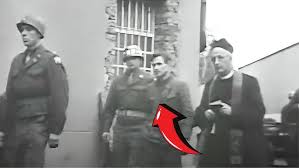
After World War II ended in 1945, the Allied powers faced an unprecedented task: bringing to justice those responsible for war crimes committed across Europe. While many trials focused on high-ranking Nazi officials and military officers, some of the earliest convictions involved German civilians who had directly participated in atrocities. Among these cases was Matthias Gierens, whose trial marked an important legal precedent.
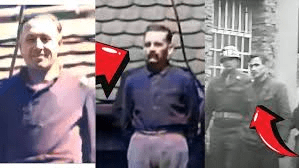
Background and the Crime
As Allied forces advanced into Germany in the final months of the war, chaos and retaliation became increasingly common. In several regions, captured Allied soldiers—particularly American prisoners of war—were killed not only by military personnel but also by local civilians acting out of ideology, fear, or revenge.
Matthias Gierens was implicated in the murder of captured Allied airmen, an act that violated established laws of war. Prisoners of war were legally protected under international conventions, and their execution constituted a clear war crime—regardless of whether the perpetrators were soldiers or civilians.
Postwar Trial and Conviction
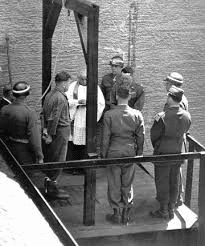
Following Germany’s surrender, Allied military courts conducted rapid investigations into such killings. Gierens was arrested, tried by an Allied military tribunal, and convicted for his role in the unlawful killing of prisoners of war.
His conviction was significant because it demonstrated that civilian status offered no immunity from prosecution. The tribunals made it clear that war crimes were defined by actions, not uniforms.
Historical Significance
The case of Matthias Gierens became one of the earliest examples of German civilians being held criminally responsible for wartime atrocities. It reinforced several key principles that would later shape international law:
- Civilians can be held accountable for war crimes
- “Following orders” or acting as a private citizen is not a valid defense
- The laws of war apply to all participants in conflict
These principles later influenced broader international justice efforts, including the development of modern war-crimes tribunals and international courts.
Why This Case Matters
The conviction of Matthias Gierens highlighted an uncomfortable truth of World War II: atrocities were not committed solely by leaders or soldiers, but sometimes by ordinary individuals caught up in extremist ideology and wartime violence. His case stands as a reminder that moral responsibility in war extends beyond the battlefield.
- กทม. วิกฤต! ประกาศเตือนภัยซ้ำซ้อน “ร้อนระอุ-ฝุ่นคลุ้ง” ทั่วเมือง: วิธีดูแลตัวเองให้ปลอดภัย
- วิกฤตการณ์ทางทะเล: สัญญาณเตือนภัยสำหรับประเทศไทย
- The three monkeys began to like the monkey doll. The three of them slept, hugged, and kissed
- This Is No Anna’s Fault! Why Monkey Amina Scared?
- When he was very tired, the older monkey would drop his younger brother to get some relief. 💥🐒📌👇
Leave a Comment