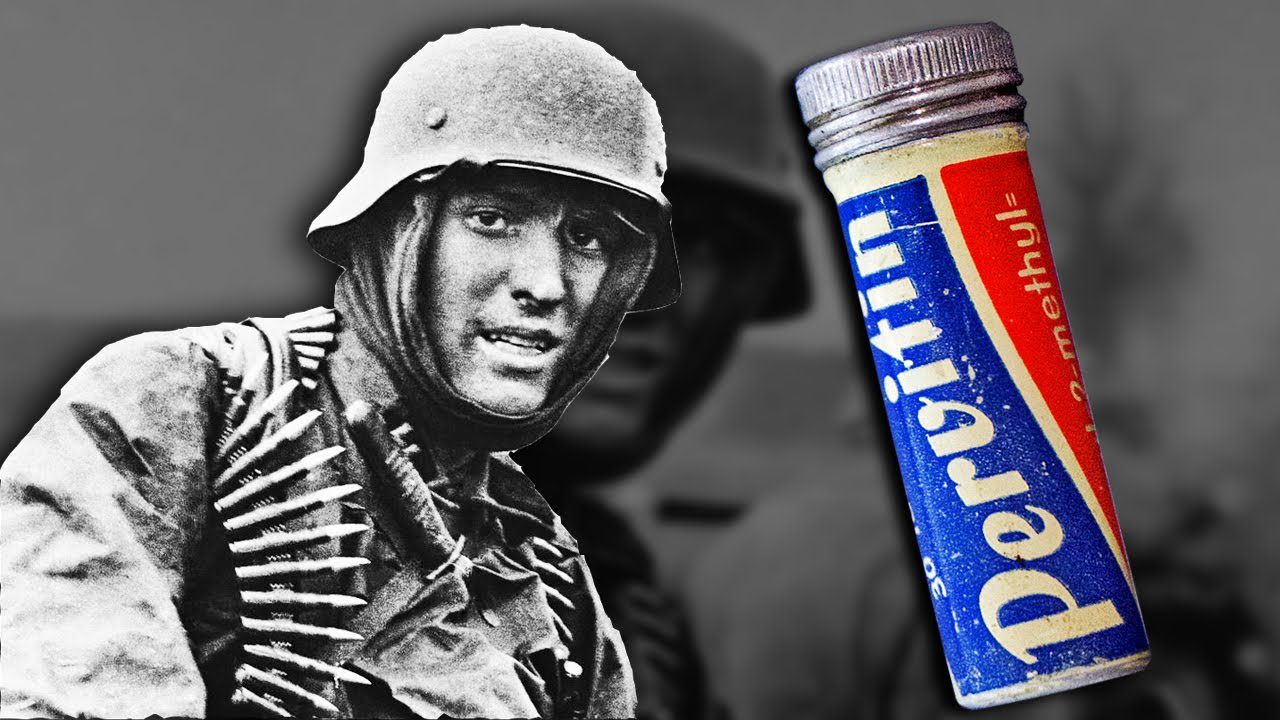
During the early years of World War II, Nazi Germany relied not only on tanks and aircraft—but also on drugs. One of the most shocking revelations of the war is that German soldiers were widely supplied with methamphetamine to enhance their performance on the battlefield.

Under the leadership of Adolf Hitler, the German military distributed millions of stimulant pills to troops in an effort to fuel rapid military expansion across Europe.
The Drug Behind the Blitzkrieg
The drug was called Pervitin, a methamphetamine produced by the Berlin-based pharmaceutical company Temmler. Introduced in 1938, Pervitin was initially sold over the counter in Germany. It was marketed as a miracle stimulant that increased alertness, reduced fatigue, and boosted confidence.
Soon, military officials realized its potential use in warfare.
When Germany launched its lightning-fast attacks—known as Blitzkrieg—against countries like Poland and later France in 1940, soldiers were issued Pervitin tablets to stay awake for days at a time. Tank crews, pilots, and infantry troops were able to march and fight with little or no sleep, sometimes for 48 hours or more.
Historians estimate that more than 35 million Pervitin tablets were distributed during the invasion of France alone.
Short-Term Power, Long-Term Damage
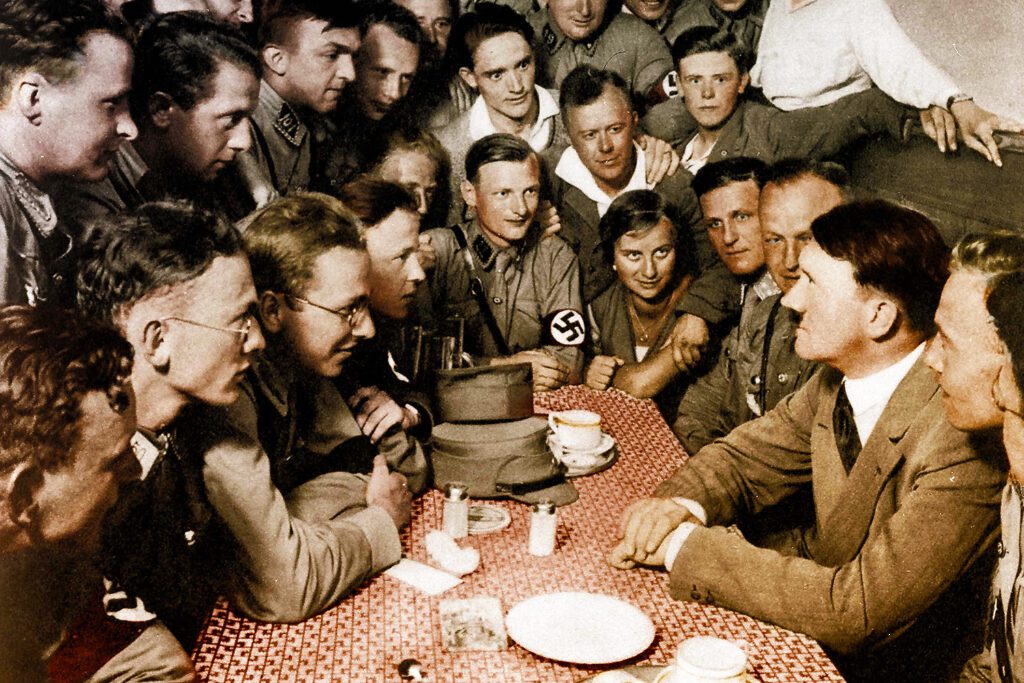
While methamphetamine increased energy and aggression, it came at a serious cost.
Many soldiers experienced:
- Severe addiction
- Paranoia and hallucinations
- Heart complications
- Mental breakdowns
- Physical exhaustion after the drug wore off
Some units reported soldiers collapsing from extreme fatigue once the stimulant effects faded. Over time, German military doctors began recognizing the dangers and attempted to regulate distribution.
However, by then, dependence had already spread among many troops.
Hitler’s Personal Drug Use
Drug use was not limited to frontline soldiers. Adolf Hitler himself reportedly received frequent injections from his personal physician, Theodor Morell.
Morell administered a cocktail of substances that included vitamins, hormones, painkillers, and stimulants. In the later years of the war, Hitler’s health visibly declined, and historians believe his dependence on medications may have affected his judgment and decision-making.
A War Fueled by Chemicals
The use of methamphetamine highlights a darker, lesser-known aspect of Nazi Germany’s war machine. While advanced tactics and weaponry played a crucial role in early victories, chemical stimulation also contributed to the speed and intensity of German offensives.
This hidden history gained widespread attention after the publication of Blitzed: Drugs in Nazi Germany by Norman Ohler, which explores the role of drugs within the Nazi regime.
Today, historians view Pervitin as a reminder that the horrors of war were not only mechanical and ideological—but also chemical.
Leave a Comment